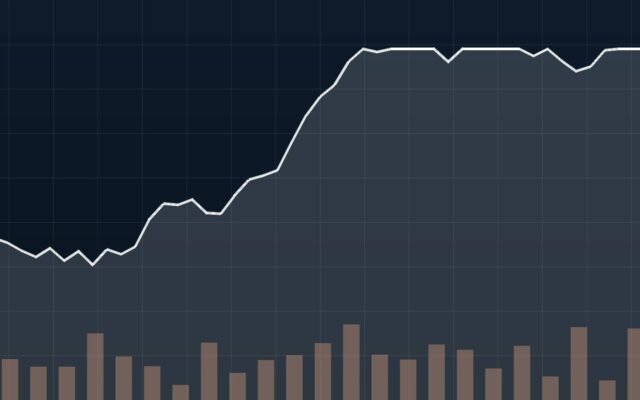
Agricultural commodities such as wheat, corn, rice and coffee are grown in specific regions and traded globally. That makes their prices sensitive to the weather in a handful of places.
From field to shelf
Poor harvests reduce supply and push up prices on commodity exchanges. Those costs eventually reach food manufacturers, retailers and consumers, although the effect is often delayed and diluted.
Other factors
- Fertiliser and fuel costs for farmers.
- Export restrictions imposed by producing countries.
- Shipping costs and transport disruptions.
- Demand for crops used in biofuels and animal feed.
Planning ahead
Food producers often use futures contracts to lock in prices months in advance. For households, food inflation is one of the most noticeable forms of price change because it affects everyday purchases.