
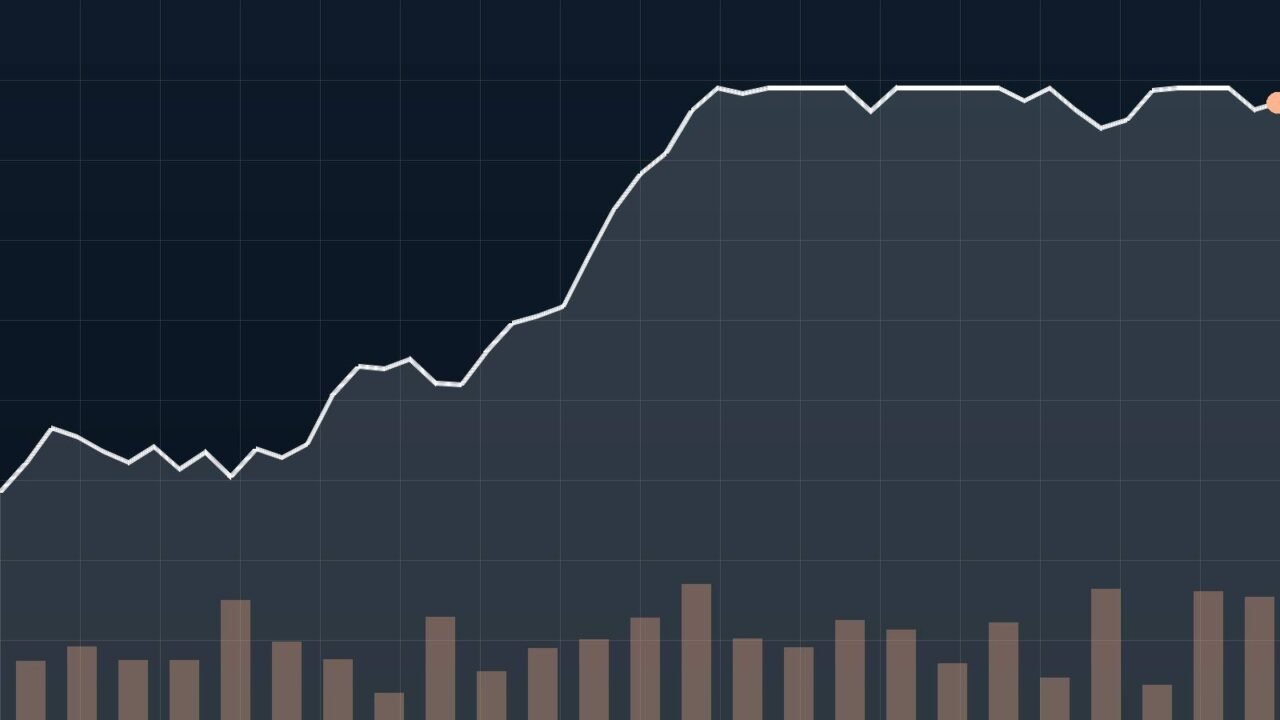
Oil is one of the most closely watched prices in the world because it feeds into transport, manufacturing and household budgets.
Supply
Production decisions by major exporters, investment in new fields and disruptions to output all affect how much oil reaches the market.
Demand
Global growth drives demand. Seasonal patterns matter too, such as travel peaks and heating needs.
Inventories
Stockpiles act as a buffer. Falling inventories usually push prices up, while rising stocks suggest a well-supplied market.
- Weekly inventory reports can move prices sharply.
- Futures curves show what traders expect in coming months.
- Refining capacity affects the prices of fuels such as diesel and petrol.
Why it matters
Higher oil prices can lift inflation and squeeze consumers, while lower prices help importers and hurt producers. Few prices touch as many parts of the economy.
Great overview. The inventories section was the part I never understood before.