
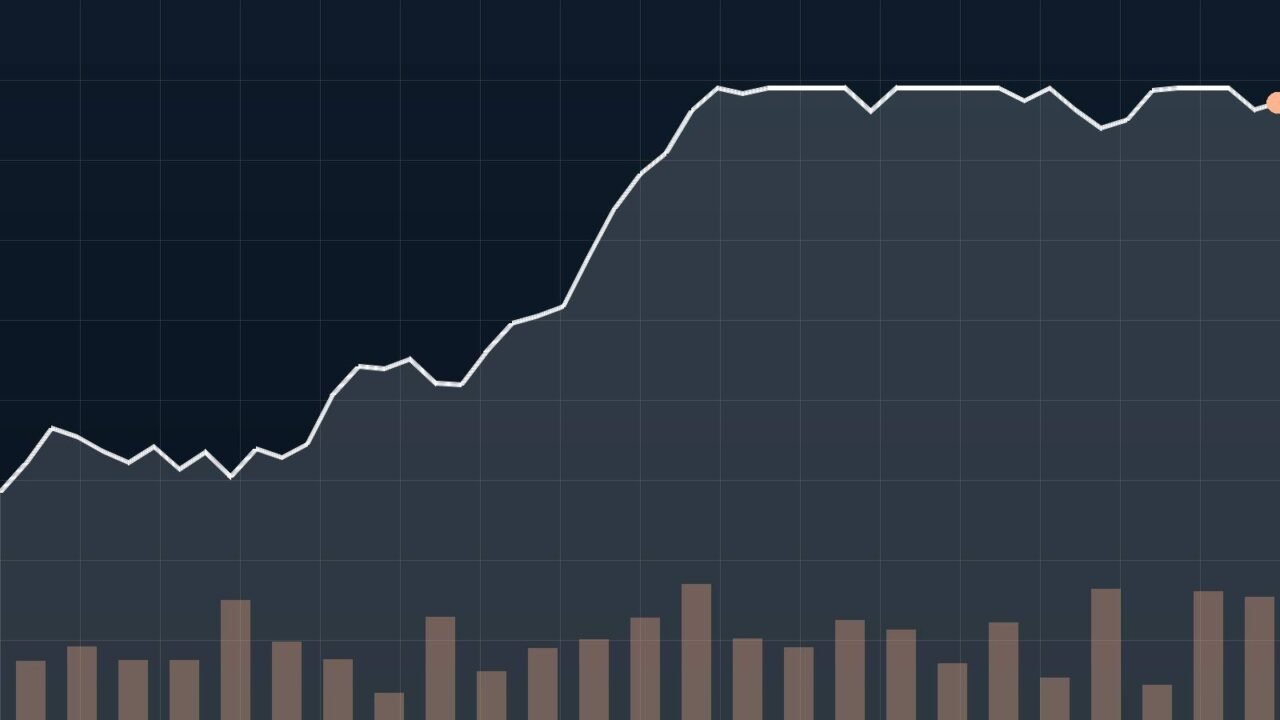
When a central bank changes its policy rate, it is adjusting the price of money for the whole economy. The effect does not arrive all at once. It travels through banks, businesses and households over many months.
The first link: borrowing costs
Banks price loans off the policy rate. When it rises, new mortgages, car loans and business credit lines become more expensive, and some borrowers decide to wait.
- Households with variable-rate debt feel the change first.
- Companies postpone projects whose returns no longer beat the cost of financing.
- Savers earn more on deposits, which makes spending slightly less attractive.
The second link: demand and prices
Less borrowing means less spending. Over time, slower demand eases pressure on prices, which is the outcome policymakers are aiming for when inflation runs too hot.
Monetary policy works with long and variable lags.
A widely used rule of thumb among economists
Why markets react immediately
Investors do not wait for the economy to adjust. Bond yields, currencies and share prices move as soon as expectations change, which is why a single sentence from a central banker can move markets more than the decision itself.
Would love a follow-up on how this affects small business loans specifically.
Really clear explanation of the transmission lags. Shared it with my team.