How to Melt Aluminum for Casting: An Industrial Guide to Efficiency, Quality, and Safety
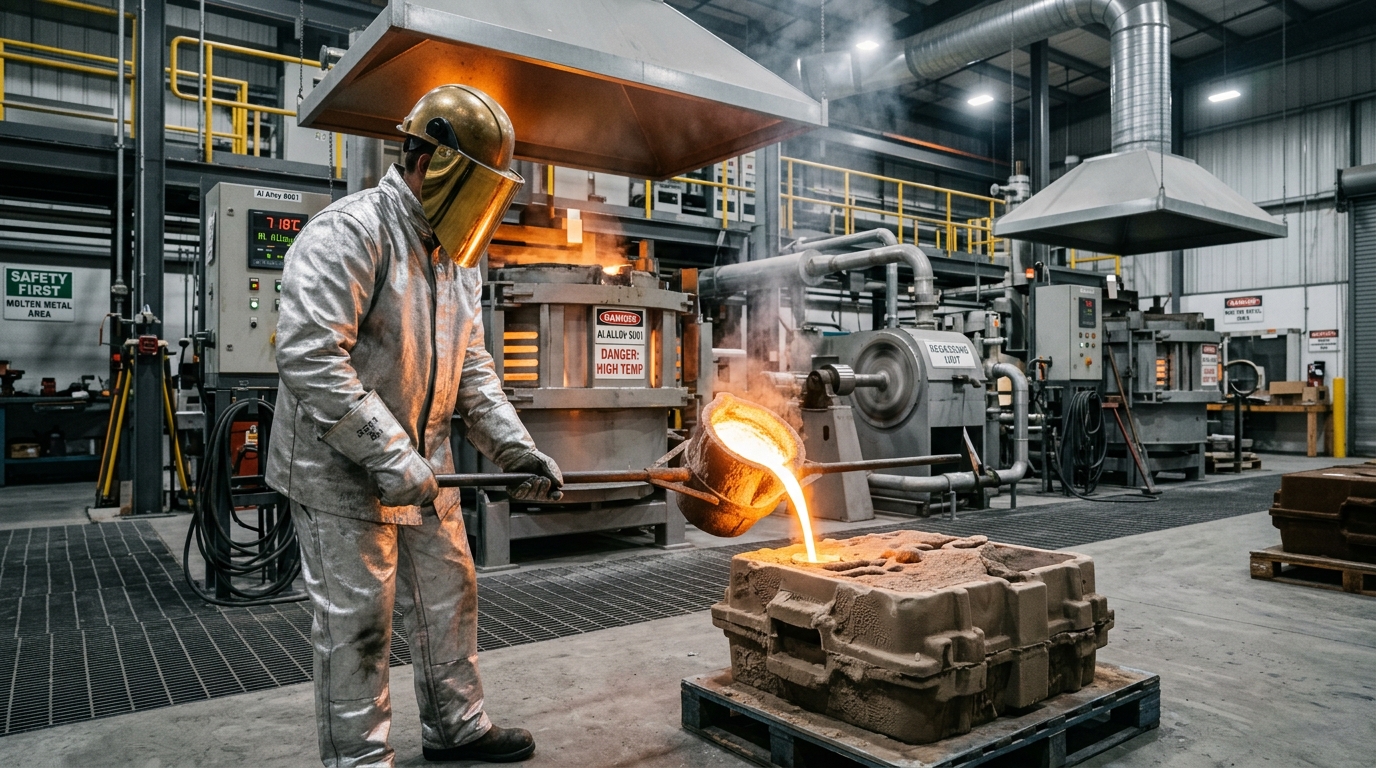
Molten aluminum is the lifeblood of the modern foundry. Whether it flows into a sand mold to form an engine block, a permanent mold for a structural aerospace bracket, or a high-pressure die casting for a consumer electronics housing, the melt process dictates yield, mechanical properties, scrap rate, and ultimately profitability. Getting it right means understanding far more than just reaching 660°C. This guide provides a technically grounded, operationally focused walkthrough of how to melt aluminum for casting—covering furnace selection, melt treatment, safety, energy management, and the digital tools reshaping the industry.
The Industrial Imperative Behind Every Melt
Aluminum casting has grown into a global manufacturing pillar because the metal delivers an unmatched balance of low density, corrosion resistance, high thermal conductivity, and infinite recyclability. Automotive structural components, aircraft housings, and renewable energy hardware all depend on high-integrity aluminum castings. Liquid metal quality has a pivotal role during the manufacturing of aluminum alloy castings that can determine the performance of cast parts, with the first rule of high-quality casting being to start with a good quality melt.
Yet melting aluminum presents a paradox: the metal readily oxidizes, eagerly absorbs hydrogen, and loses reactive alloying elements the moment it becomes liquid. Poor melt practice introduces bifilms (double oxide films), porosity, and hard inclusions that compromise mechanical properties long before a part reaches the customer. Foundries that learn how to melt aluminum for casting with disciplined process control—rather than simply “heating and pouring”—consistently outperform competitors in yield, productivity, and reputation.
Understanding the Metal: Beyond the Melting Point
Pure aluminum melts at approximately 660°C (1220°F), but no foundry melts pure aluminum. Common casting alloys contain silicon, copper, magnesium, and zinc additions that shift both the liquidus and solidus temperatures. A356 (AlSi7Mg0.3), for example, is typically melted to 710–750°C for casting to ensure adequate fluidity and mold-fill capability without excessive hydrogen pickup or oxidation. Operating temperature directly influences:
- Hydrogen solubility, which rises exponentially with temperature
- Oxidation rate, accelerated above 750°C
- Alloying element loss, particularly magnesium and strontium
- Dross generation, which reduces metal yield
The goal is not maximum temperature but minimum superheat consistent with fluidity requirements. Overheating by 30°C can increase dross formation by 10–15% and raise energy consumption proportionally.
Selecting the Right Melting Furnace
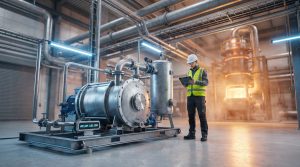
A furnace is both a capital investment and a daily operational cost driver. Foundries choose among several proven designs, each with distinct trade-offs. Furnaces can be grouped in five basic types: crucible, reverberatory, stack melter, dosing, and rotary.
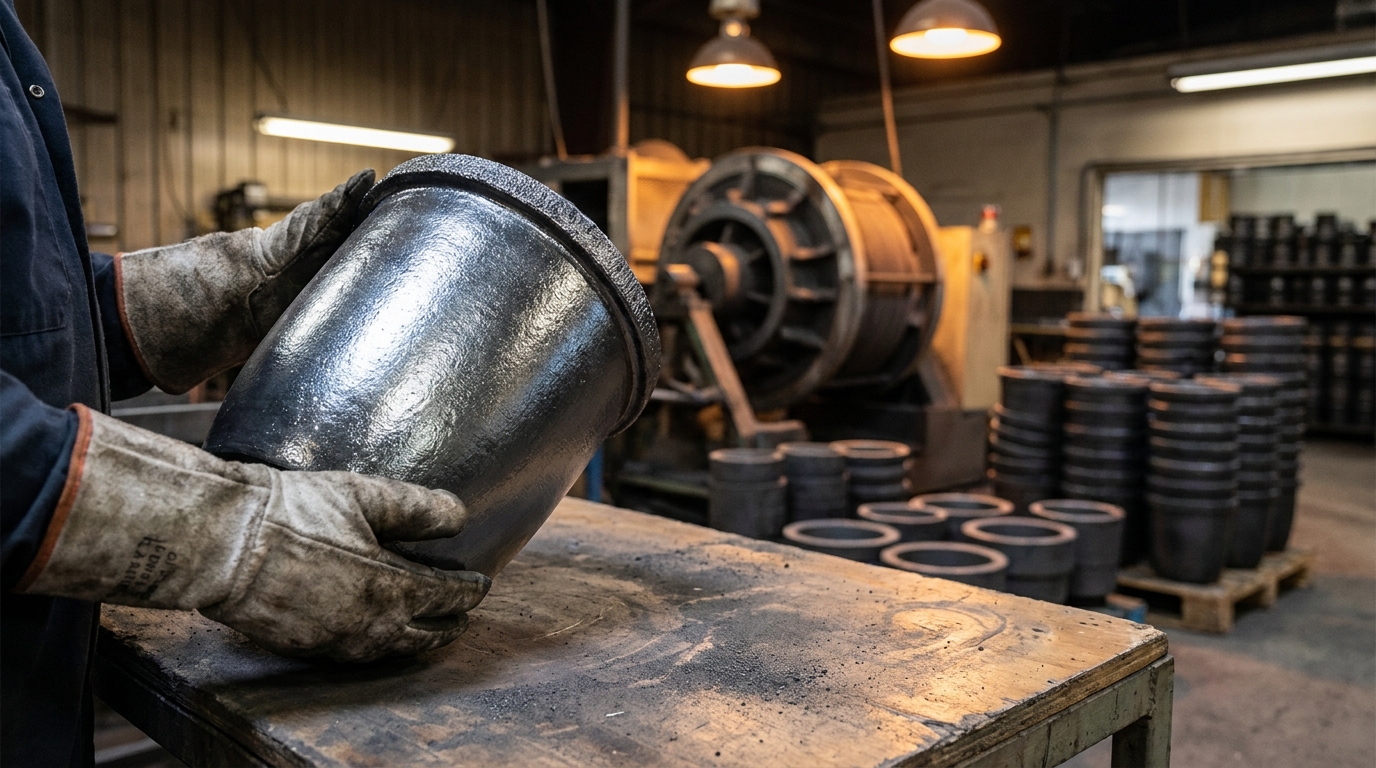
Crucible furnaces remain the backbone of small to medium foundries. Compact, flexible, and available in electric or fuel-fired configurations, they allow quick alloy changes and melt capacities up to roughly 2,000 lbs/hr for aluminum. Their simplicity makes them ideal for prototyping, jobbing foundries, and point-of-use melting.
Reverberatory furnaces dominate high-volume central melt operations. With holding capacities from 3,000 to 300,000 lbs, they provide a deep bath that buffers production fluctuations but ties the foundry to a single alloy. Dry-hearth variants improve energy efficiency by preheating charge material on the sloping hearth before it enters the bath.
Stack (shaft) melters represent the most thermally efficient fuel-fired option, with the StrikoMelter PurEfficiency series achieving energy consumption as low as 489 kWh/t and metal yield approaching 100%. Charge material descends through a counterflow of hot exhaust gases, recovering waste heat before the metal reaches the melt zone. This design delivers superior efficiency but demands continuous full-stack operation for optimal performance.
Rotary furnaces excel at processing scrap, dross, and chips, making them essential for recycling operations and foundries with heavy internal scrap loops. A digital twin study published by Light Metal Age demonstrated how advanced process modeling of tilt rotary furnaces improved both yield and thermal uniformity.
Induction furnaces use electromagnetic fields to heat the melt internally, providing rapid startup, precise temperature control, and excellent alloy homogeneity. They are increasingly specified where electrical energy is cost-competitive and melt cleanliness is paramount.
The selection process must integrate furnace efficiency, cost of energy, molten quality, melt losses, handling practices, safety, and environmental requirements.
The Melting Process: A Stepwise Operational Framework
Mastering how to melt aluminum for casting requires standardized, repeatable procedures that minimize variability. The process framework below reflects industrial best practice.
1. Charge Preparation and Loading
Charge material—whether primary ingot, foundry returns, or purchased scrap—must be clean, dry, and free of oils, moisture, and foreign metals. Moisture introduced into a molten aluminum bath flashes to steam instantaneously, creating a violent eruption that can spray metal across the melt deck. The Aluminum Association’s Guidelines for Handling Molten Aluminum emphasize that wet or contaminated sows charged into molten metal are a primary cause of preventable explosions in melting furnaces.
Charge sequence matters: heavier ingots go in first, followed by lighter scrap and returns, with alloying additions made after the initial melt-down to minimize oxidation loss.
2. Heating and Temperature Control
Bring the furnace to temperature at a controlled ramp rate to avoid thermal shock to refractory linings. Use immersion thermocouples calibrated daily—not infrared guns—for bath temperature measurement. Target a melt temperature appropriate for the specific alloy and casting process:
- Sand casting (A356): 700–730°C
- Permanent mold (A356): 690–720°C
- High-pressure die casting (A380): 640–680°C
3. Alloying and Homogenization
Once the base metal is fully molten, introduce alloying elements—silicon, copper, magnesium, manganese—according to the target specification. Electromagnetic stirrers reduce the temperature difference between the top and bottom of the bath from 50–80°C to under 5°C within two to three minutes, rapidly homogenizing chemistry and accelerating alloy dissolution.
4. Fluxing and Degassing
Fluxing serves multiple purposes: covering the melt surface to retard oxidation, stripping dissolved hydrogen, and capturing suspended oxide inclusions. Commercial fluxes containing NaCl, KCl, CaF₂, MgF₂, and fluoride compounds with melting temperatures below 600°C have proven highly effective at improving melt cleanliness when combined with rotary degassing.
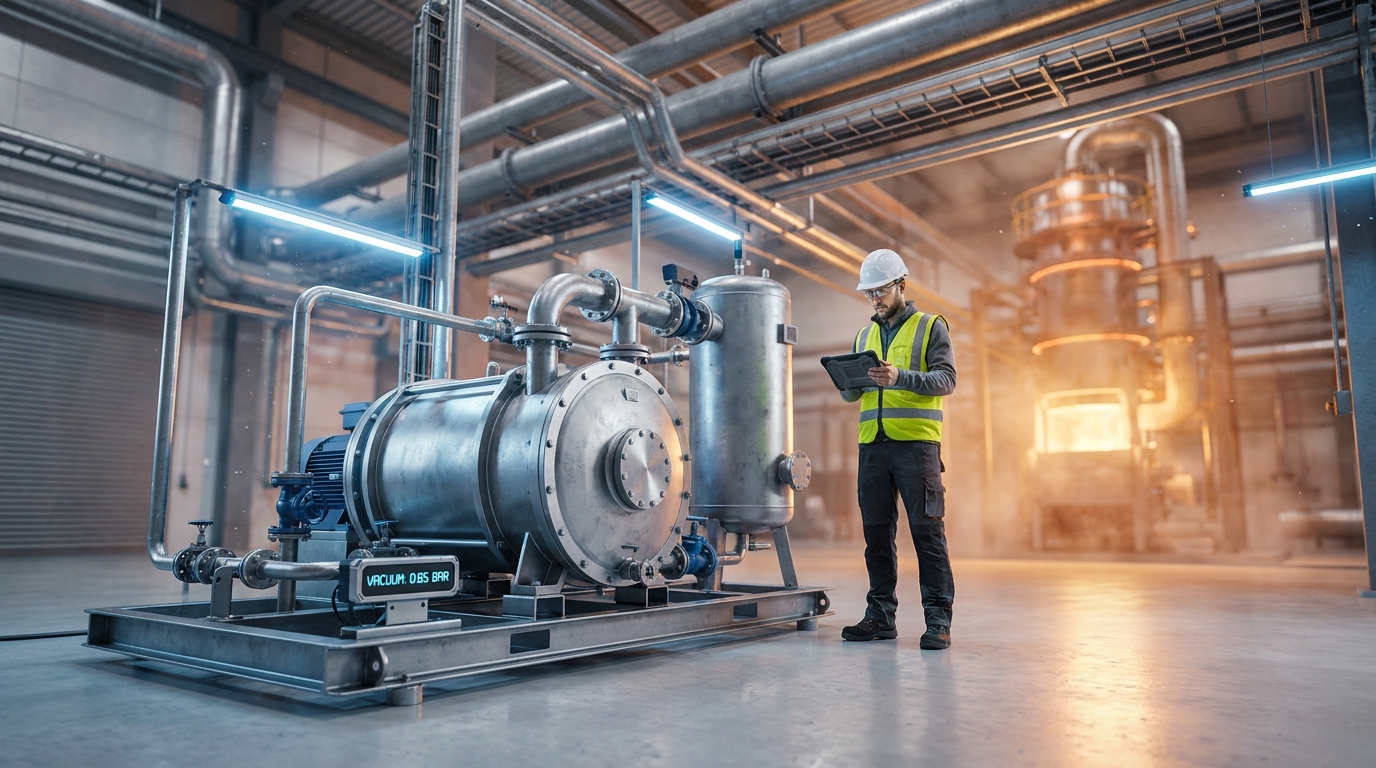
Rotary degassing injects inert gas (argon or nitrogen) through a spinning rotor, creating fine bubbles that sweep dissolved hydrogen from the melt while the mechanical action disperses flux and promotes inclusion flotation. Treatment time typically ranges from 5 to 15 minutes depending on melt volume and quality targets.
5. Melt Quality Verification and Transfer
Before pouring, verify melt quality using the reduced pressure test (RPT), which assesses bifilm index and hydrogen content under vacuum solidification, or thermal analysis techniques like Qualiflash. Transfer metal to the casting station using preheated, refractory-lined ladles, minimizing turbulence at every step. Maintain a consistent pouring temperature within ±5°C.
Safety: The Non-Negotiable Foundation
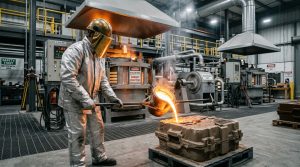
Aluminum melt at 700°C contacting water expands by a factor of approximately 1,600:1—an explosion that can destroy equipment and cause catastrophic injury. Foundry safety revolves around preventing molten metal-water contact and protecting personnel.
Core safety protocols include:
- ✓ All tools, ladles, and charge material must be thoroughly preheated and bone-dry
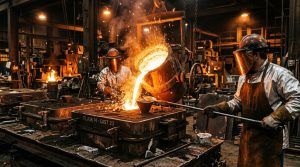
- ✓ Personnel must wear aluminized protective clothing, face shields, and safety boots
- ✓ Furnace areas require clear delineation, non-slip flooring, and emergency egress paths
- ✓ Casting pits and floor drains must be designed to prevent water accumulation
- ✓ Mobile equipment must be equipped with spark arrestors
- ✓ Regular safety drills and molten metal incident training
The Aluminum Association publication remains the industry-standard reference for managing molten aluminum hazards throughout charging, melting, transferring, and casting.
Energy Efficiency: The New Competitive Battleground
Melting aluminum is one of the most energy-intensive steps in the casting value chain, and energy now rivals labor as a cost driver. The good news is that substantial savings lie within reach.
Electromagnetic stirring (EMS) reduces dross formation by up to 15%, increases productivity by up to 25%, and decreases energy consumption by up to 10%—often achieving payback within one year. Speira’s Hamburg plant demonstrated that a new 60-ton melting furnace with EMS and advanced burner technology improved energy efficiency by 15% compared to legacy equipment.
Additional efficiency levers include:
- Combustion optimization: O₂ trim controls and recuperative burners recover exhaust heat
- Charge preheating: Using waste heat to dry and preheat scrap reduces furnace energy demand
- Batch scheduling: Running full loads during off-peak electricity rates lowers energy cost
- Cloud-based monitoring: Platforms like Monitizer deliver real-time KPI visibility, enabling operators to act on deviations before they compound into energy waste
One Swedish study found that behavioral and operational changes alone could reduce furnace energy consumption by up to 75% without compromising metal quality.
Common Defects Rooted in Melt Practice
When casting defects appear, how to melt aluminum for casting is often the first diagnostic path. Hydrogen porosity—visible as rounded subsurface voids—traces directly to inadequate degassing or excessive melt temperature. Oxide inclusions result from turbulent transfer that folds the surface oxide skin into the melt, creating hard spots and fatigue initiation sites. Grain structure irregularities arise from insufficient grain refinement or fading of TiB₂ nucleating agents due to extended holding times.
A systematic approach to defect reduction begins at the furnace, not the mold. Casting defects related to melting, treatment, and transfer are the focus of advanced training programs that help foundries decrease overall melting costs by reducing spills, waste, dross, and scrap.
The Digital Future: Sensors, AI, and the Transparent Furnace
The aluminum foundry is becoming a data-rich environment. Speira’s “transparent” furnace concept integrates camera systems, spectral sensors, and AI-driven analytics to give operators real-time visibility into melt condition, burner performance, and refractory health—enabling predictive maintenance and reducing unplanned downtime.
These Industry 4.0 technologies close the loop between process sensing and furnace control. By monitoring the melt continuously, AI algorithms recommend optimal times for flux addition, alloying, and dross removal, adapting dynamically to varying charge composition. This closes the gap between the art of melting and the science of process control.
Watch: Aluminum Sand Casting Process Explained
For a vivid, real-world demonstration of these principles in action, the Amazing Aluminum Sand Casting Process video provides an excellent visual walkthrough:
Watch: Aluminum Sand Casting Process Explained
This video shows the complete workflow—from furnace charging to finished casting—in an industrial setting, making abstract concepts concrete for operators and managers alike.
Building Foundry Knowledge
Factory owners, metal casting professionals, and industrial workers seeking ongoing operational insights will find the Make like PRO YouTube channel a valuable resource. The channel features practical demonstrations of metalworking, sand casting techniques, and shop-floor ingenuity that complement the technical guidance discussed here. Visit the channel at Make like PRO for visual content that bridges classroom theory and foundry reality.
Conclusion: Melting as a Strategic Capability
Learning how to melt aluminum for casting is not a one-time training exercise—it is a continuous improvement discipline that separates market leaders from marginal operators. The path to excellence runs through furnace selection matched to production volume, rigorous melt quality monitoring, uncompromising safety culture, and a systematic drive toward lower energy consumption. Foundries that embed these practices into daily operations consistently deliver higher yields, better castings, and stronger margins. As digital tools make the furnace truly transparent, the ability to act on real-time melt data will define the next generation of competitive advantage in aluminum casting.


Post Comment